Northwest Territories |
|
|
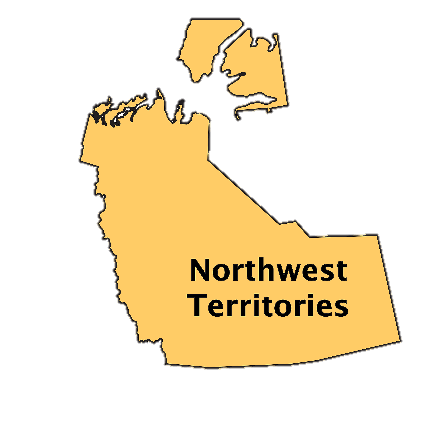
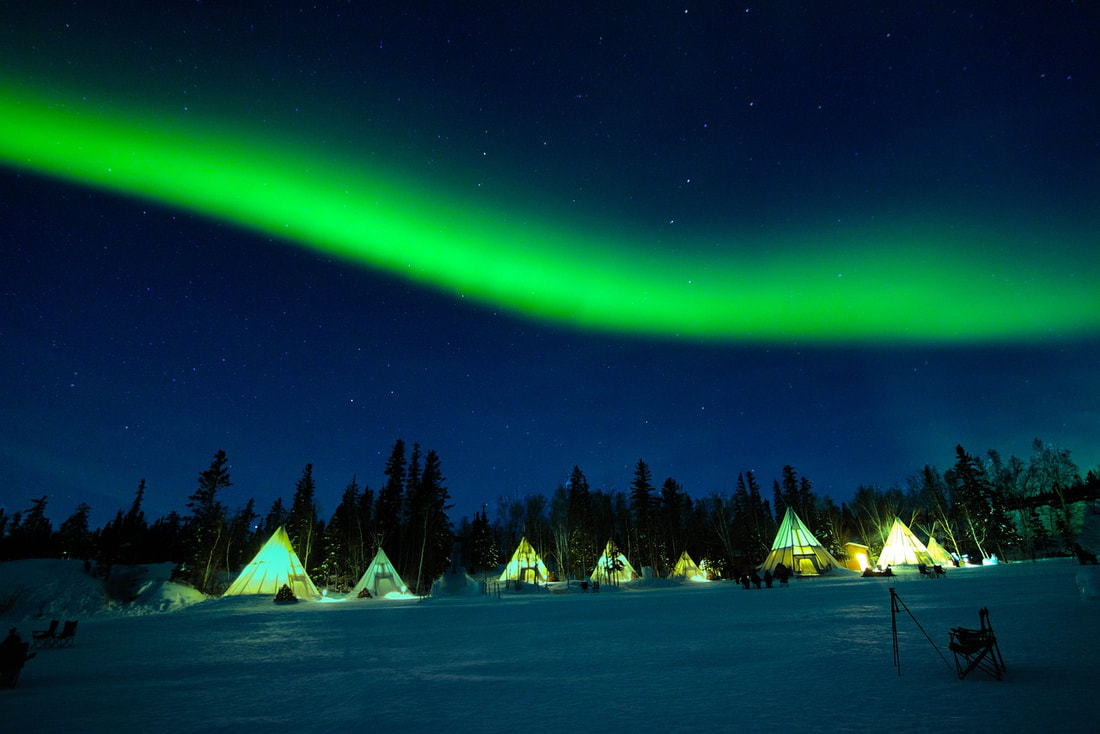
The Northwest Territories is located in the north, with the Yukon to the west and Nunavut to the east. It is six times the size of the United Kingdom and covers a vast area from the 60th parallel almost all the way to the North Pole! Winter here is very long and dark and reaches an average temperature of -30 degrees Celsius. During the summer however, the sun never sets- earning this province the nickname “the land of the midnight sun.” The capital, Yellowknife, is a popular tourist destination for those hoping to see the Northern Lights. Territory capital: Yellowknife |
|
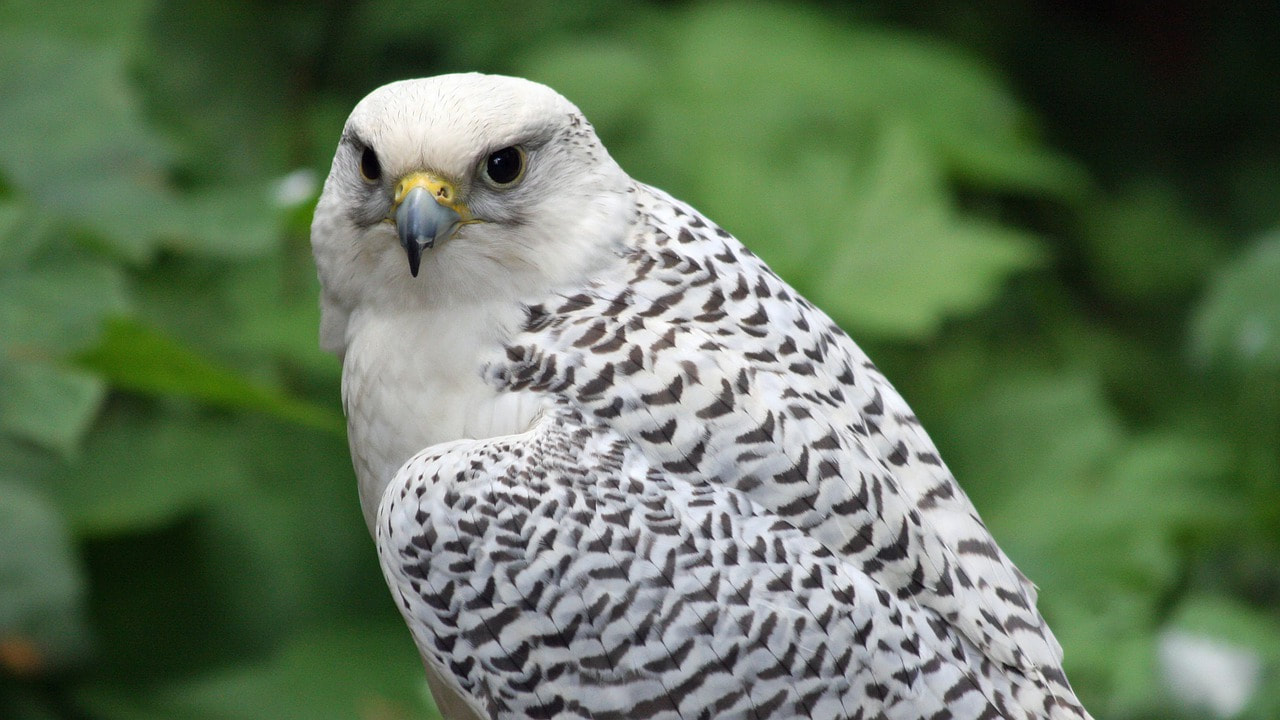
The Northwest Territories doesn’t have an official animal, but its provincial bird is the gyrfalcon. Gyrfalcons are the largest type of falcons. They are specially adapted to living in the high Arctic where winters are extremely long and cold. |
|
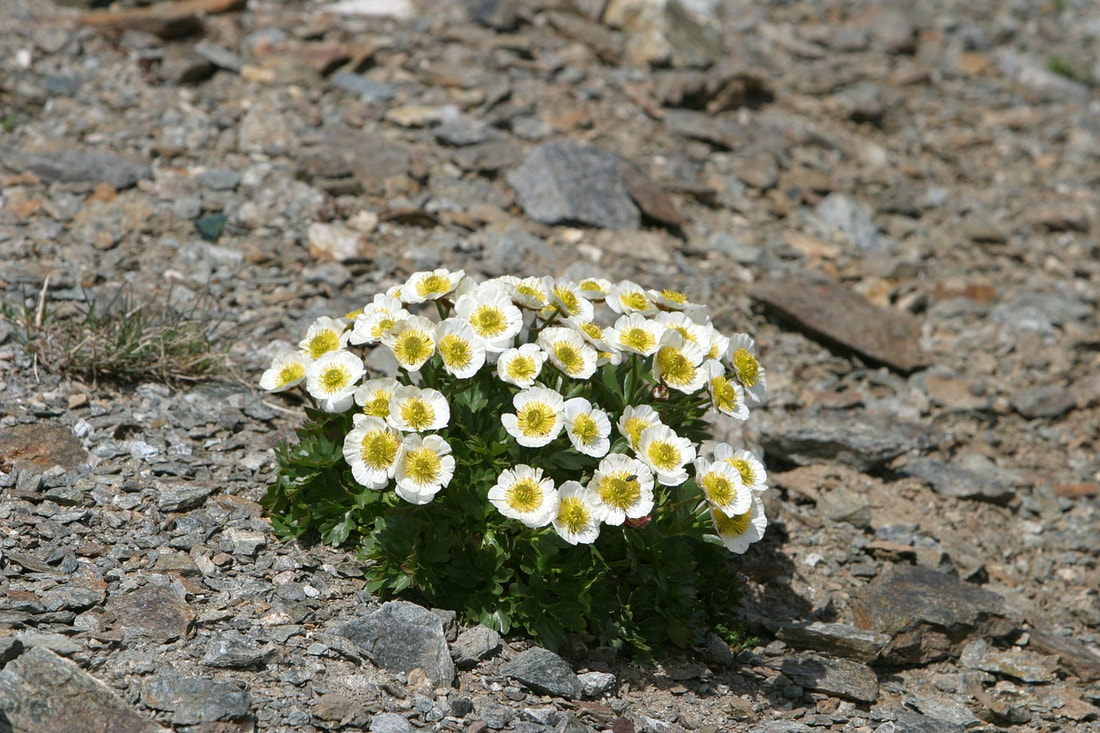
The provincial flower is the mountain avens, a small white flower from the rose family that only grows on high, barren, rocky ground. |
|
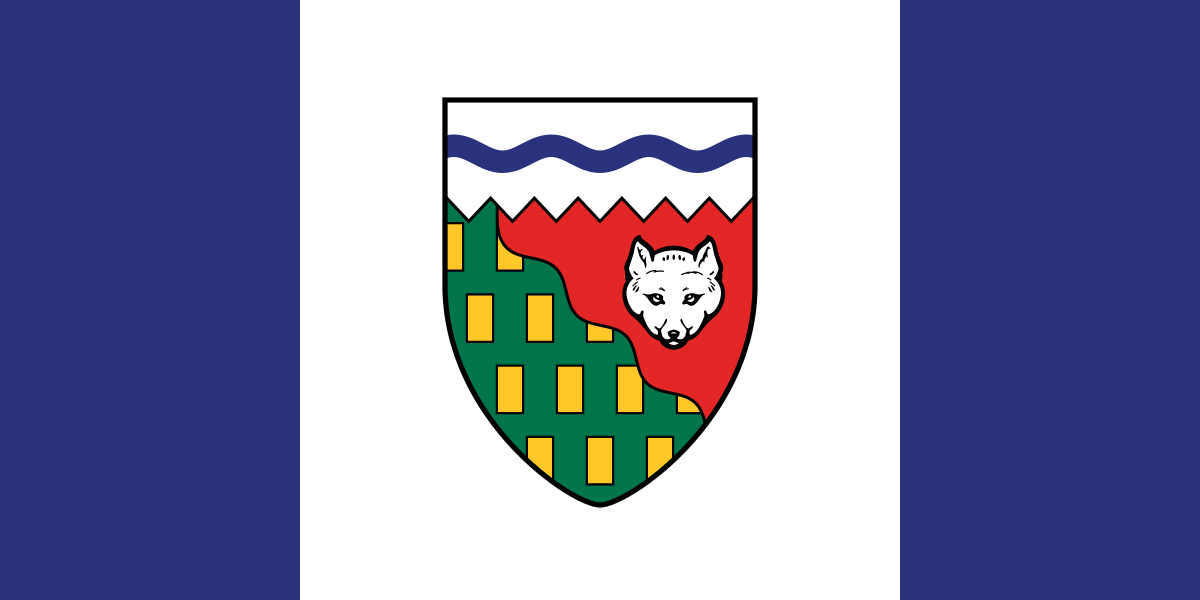
The flag of the Northwest Territories shows a shield with a wolf on a field of white and blue. The white represents snow and ice and the blue colour represents the water of the Northwest Territories’ many lakes and rivers. |
Nova Scotia |
|
|
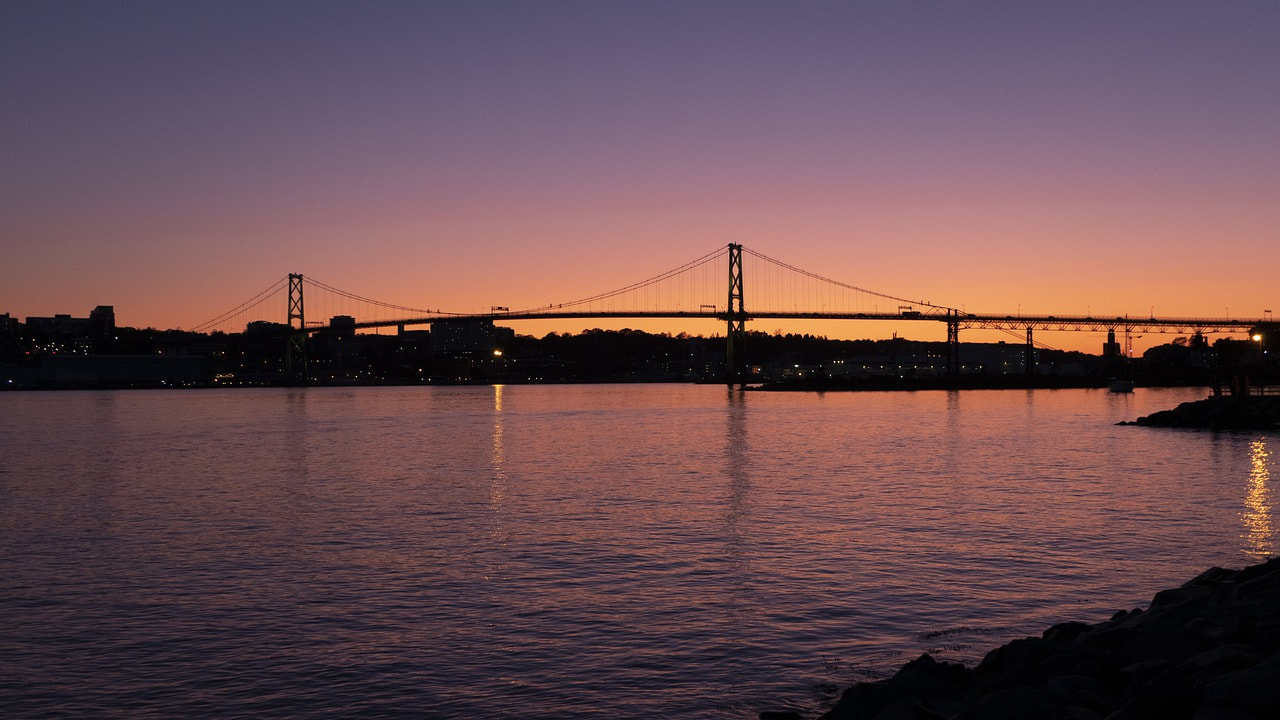
Nova Scotia means ‘New Scotland’ in Latin. However, long before the British arrived to give it its new name, people called the Mi’kmaq lived there. It was then settled by the French, but eventually taken over by the British in 1713.
Because Nova Scotia was one of the first locations in Canada to be permanently settled by the Europeans, it features many museums and historical sites. Provincial capital: Halifax |
|
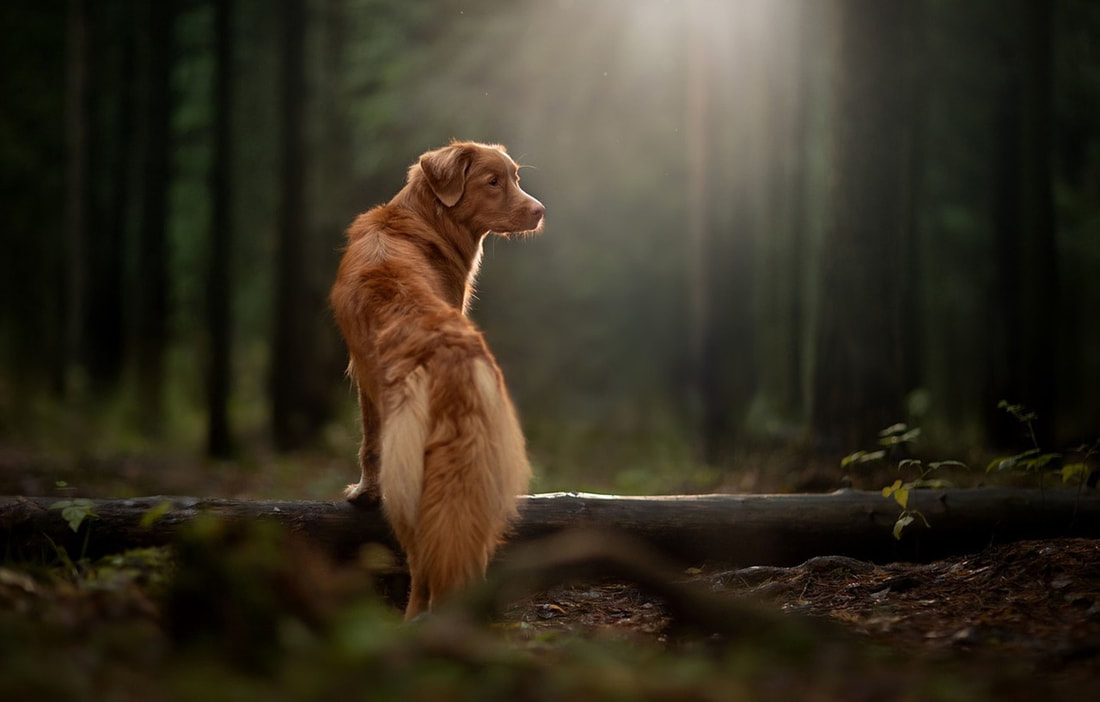
The provincial animal is the Nova Scotia Duck Tolling Retriever dog. These dogs originated in Nova Scotia and were bred specifically to help duck hunters. They have a water-repellent coat and are good swimmers. They are small dogs, about the same size and colour as a fox, which helps them trick ducks into coming closer. |
|
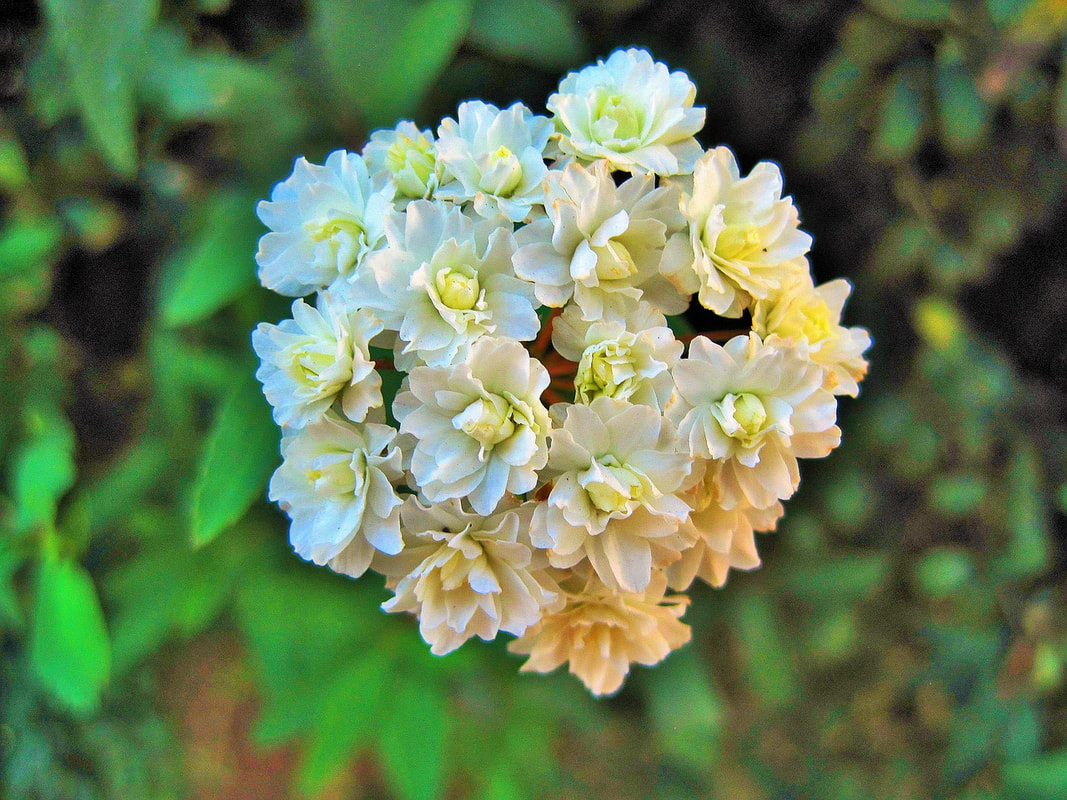
Nova Scotia’s official flower is the mayflower. Mayflower blooms in the spring, hence its name. It has traditionally been used by Indigenous peoples to make medicine and is thought by some to be a gift from god. Nova Scotia is one of only two provinces to also have a provincial fruit: blueberry. |
|
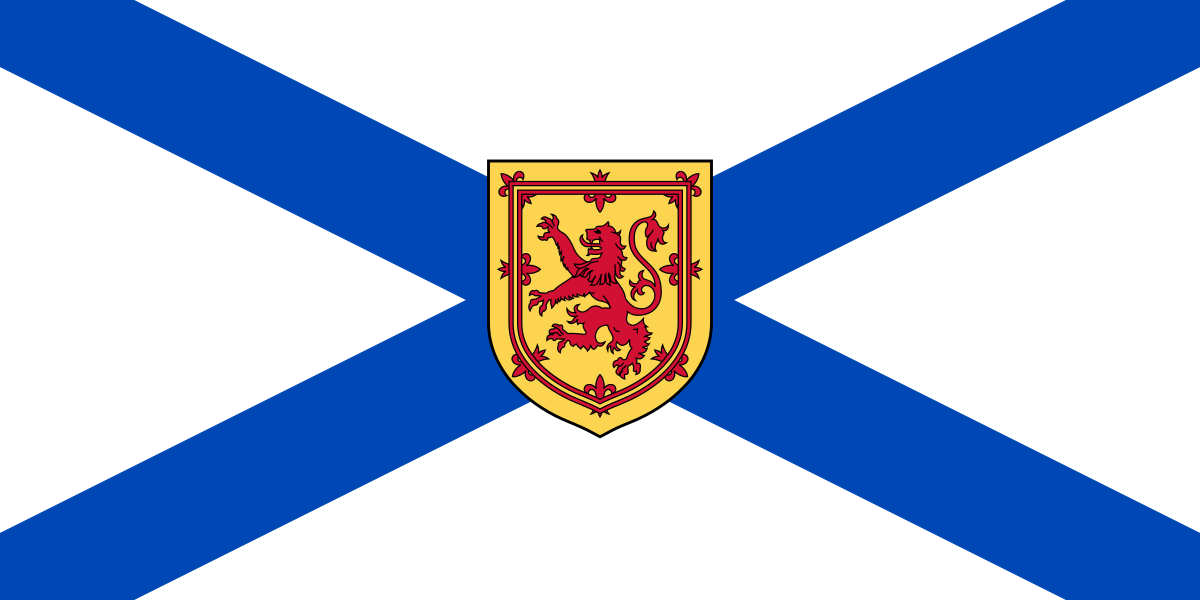
In celebration of its heritage, Nova Scotia’s flag is modelled after the flag and coat of arms of Scotland. |
Nunavut |
|
|
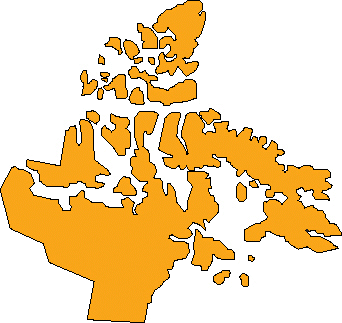
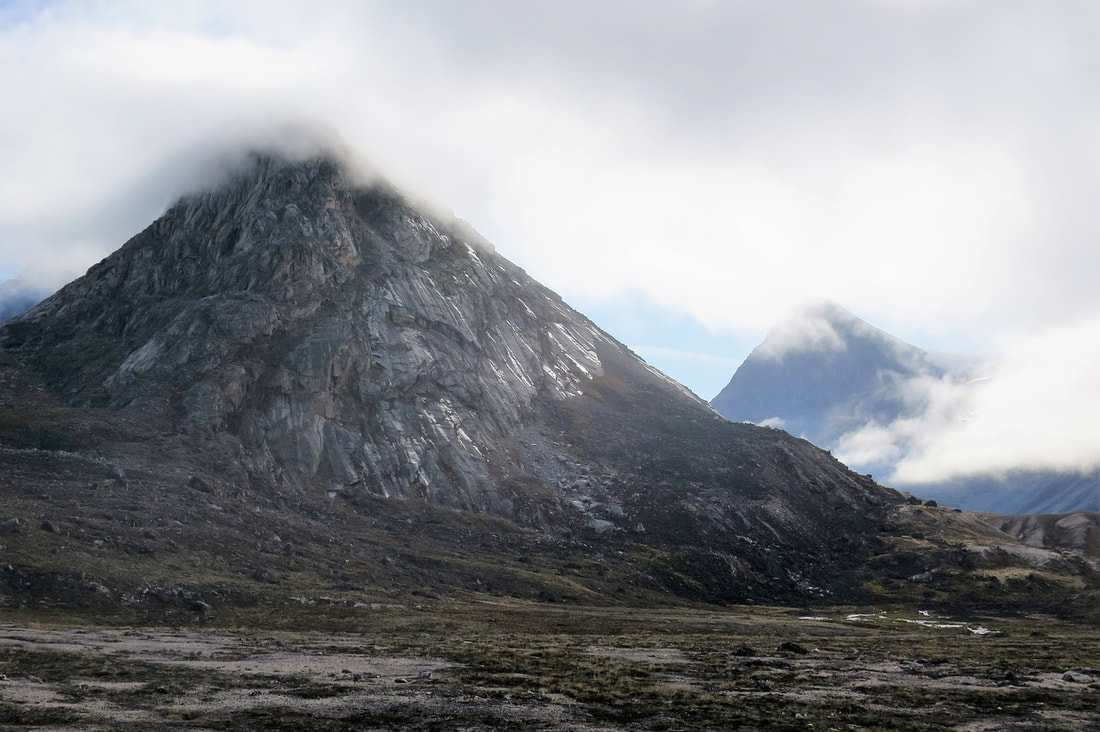
Nunavut is Canada’s largest territory. 85% of the population is made up of Indigenous people called Inuit. While Canada’s official languages are English and French, the most common language spoken in Nunavut is Inuktitut. The climate of Nunavut is mostly tundra – a type of Arctic desert. The vast, remote wilderness makes Nunavut a great place for hard-core hikers and backpackers looking for adventure. Territory capital: Iqaluit |
|
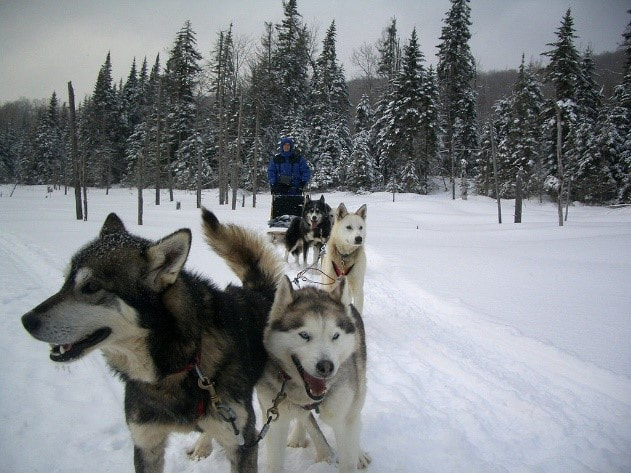
The Canadian Inuit dog is the official animal of Nunavut. This type of dog is one of the oldest pure breeds in the world, and has existed in the Arctic for over 4,000 years. They are excellent travelling and hunting companions and have been essential to the survival of the Inuit people for generations. Man’s best friend, truly! |
|
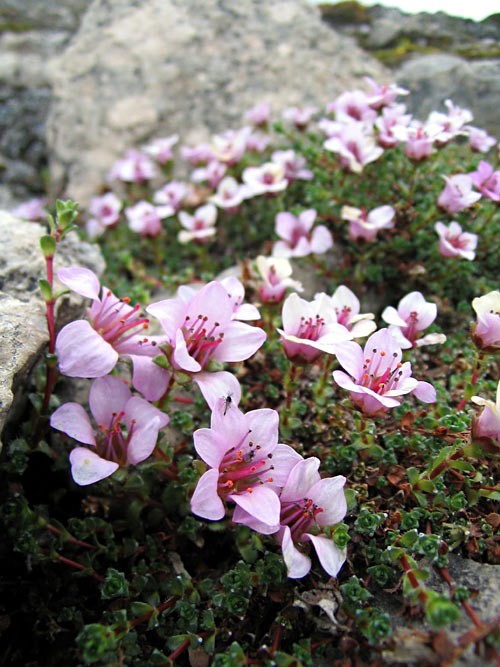
Nunavut’s official flower is the purple saxifrage, which is the earliest flower to bloom in spring, often when there is still snow on the ground. |
|
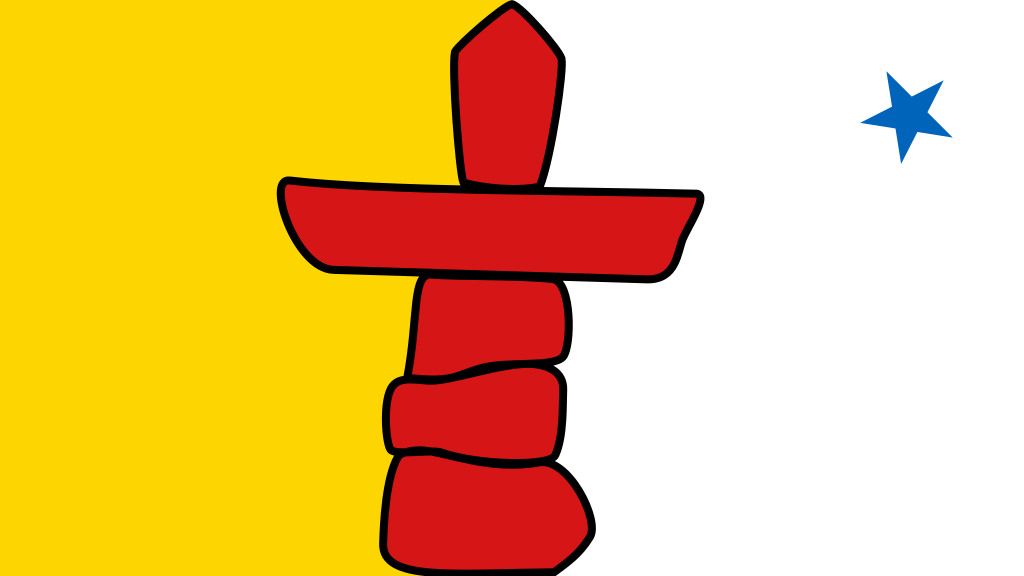
The flag features an inuksuk – a stack of rocks used by Inuit people to guide travellers and mark sacred sites – and a blue star representing Niqirtsuituq, the North Star. |
Ontario |
|
|
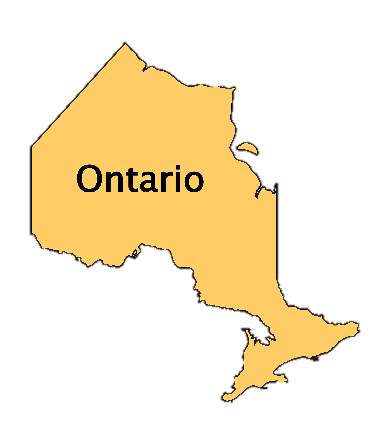
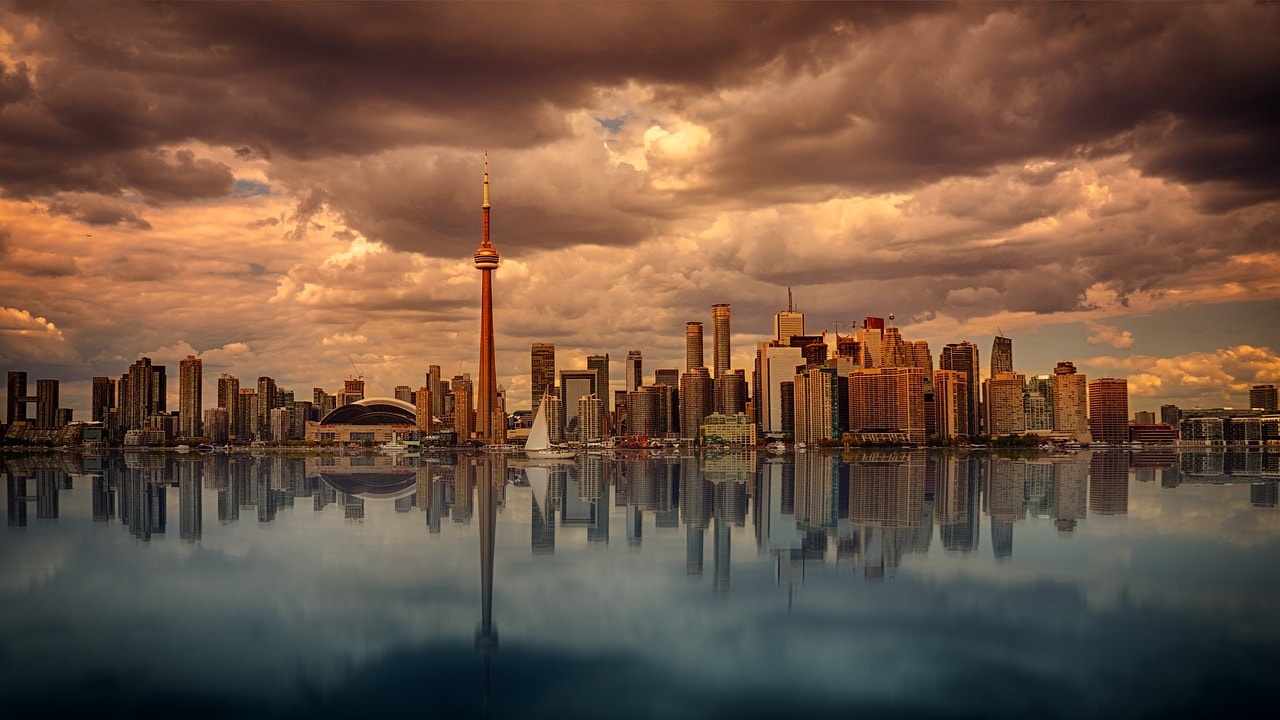
Ontario is Canada’s most populated province, where the country’s largest city, Toronto, as well as its capital city, Ottawa, are located. The province is also home to one of Canada’s most famous tourist attractions: Niagara Falls. Ontario has everything from beautiful national parks to amusement parks, museums, and iconic landmarks such as the CN Tower.
Provincial capital: Toronto |
|
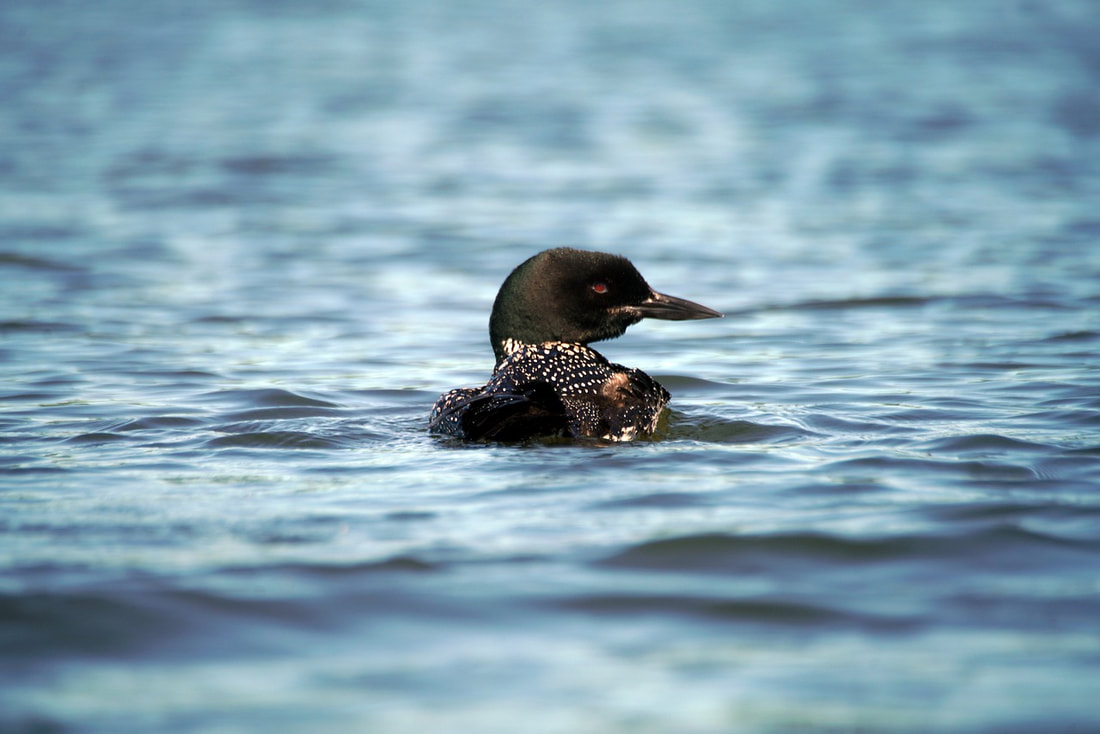
Ontario’s official bird is the loon. Loons are famous for their distinctive, eerie call and are important in Indigenous myths. In 1983, the Canadian government minted a loon on the $1 coin, called a “loonie” by Canadians ever since. |
|
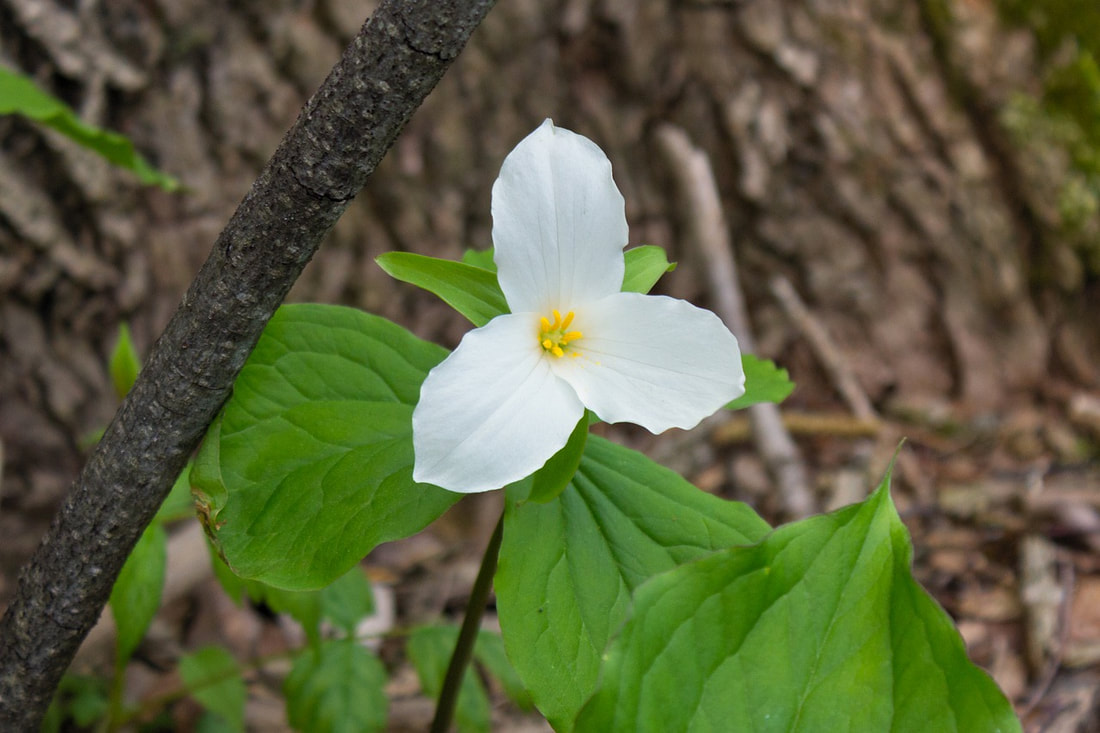
The official floral emblem for Ontario is the white trillium. It grows in forests and woodlands and usually blooms in late April or May. |
|
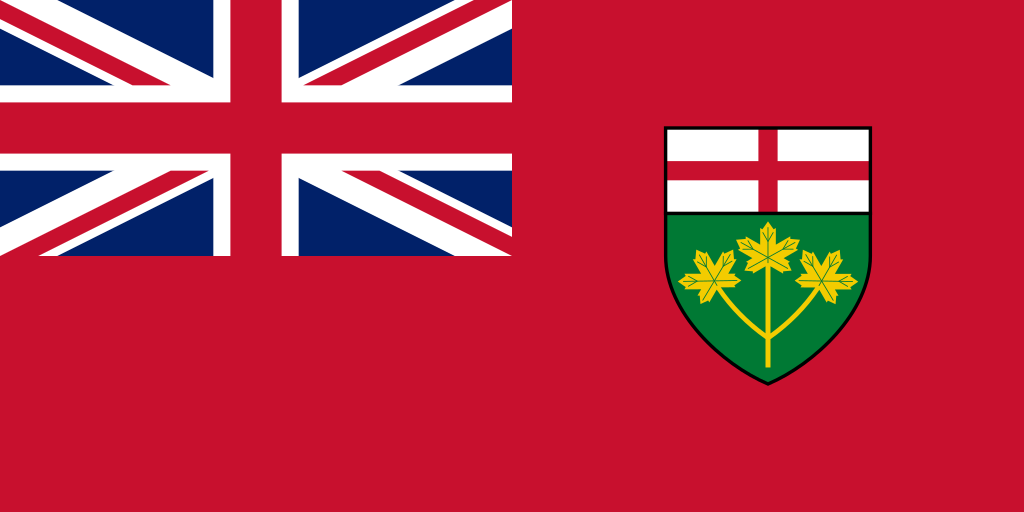
Ontario’s flag shows the Union Jack with a shield featuring St. George’s Cross and three maple leaves. |
Prince Edward Island |
|
|
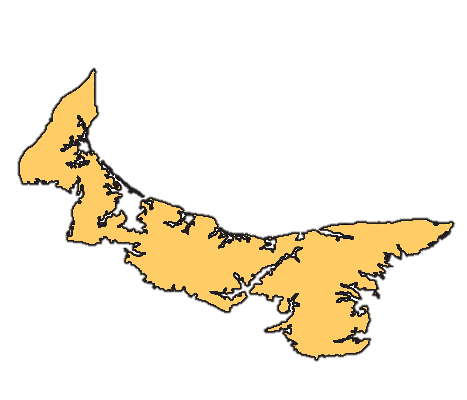
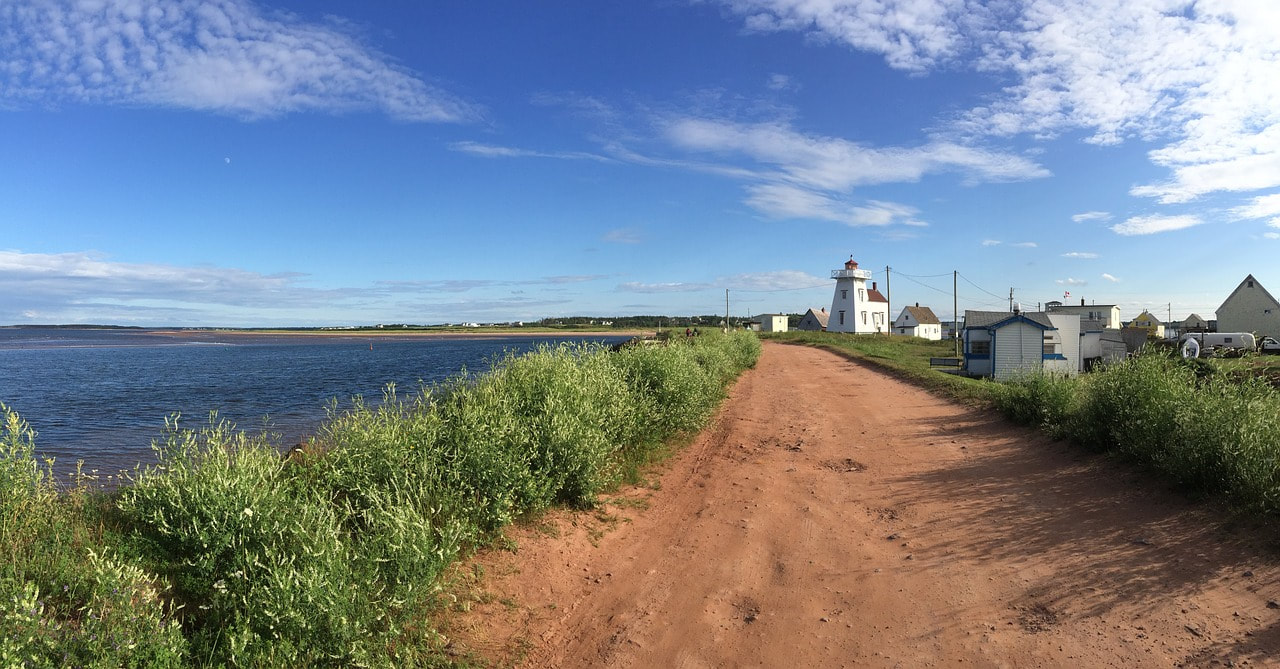
One of Canada’s Maritime Provinces, Prince Edward Island (often abbreviated to P.E.I.) is the smallest province. Considered as god’s favourite island by the Indigenous people, P.E.I. is famous for its idyllic combination of green farmland, sandy beaches, and rugged cliffs. P.E.I. became a popular tourist destination after the publication of Anne of Green Gables in 1908, which describes the charms of the province extensively.
Provincial capital: Charlottetown |
|
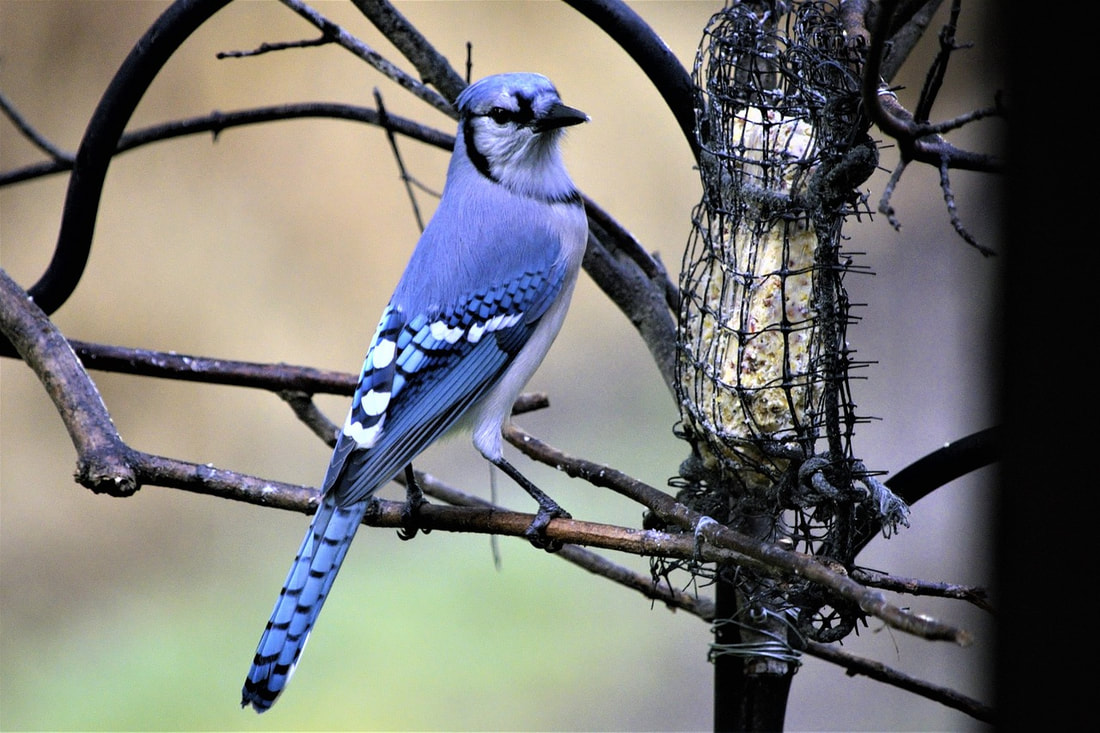
The provincial bird is the blue jay, known for its bright blue colouring and noisy, bold nature. |
|
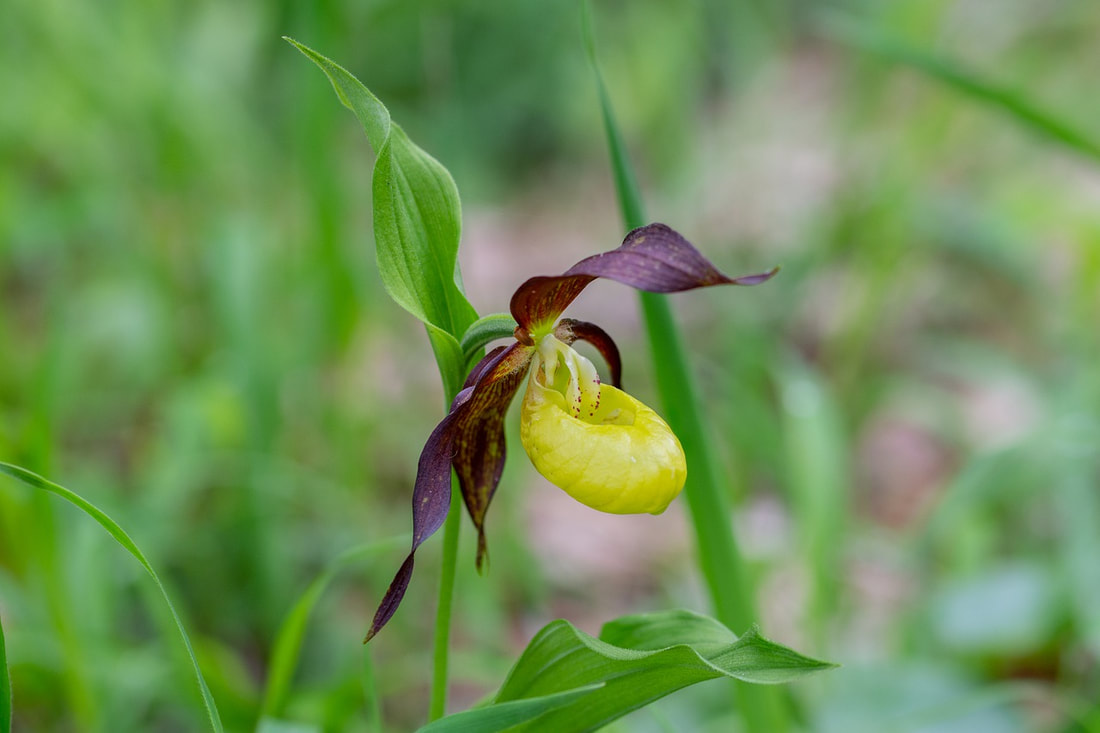
P.E.I.’s official flower is the lady’s slipper, a type of orchid. It gets its name from the shape of its petals, which look a bit like a silk slipper. |
|
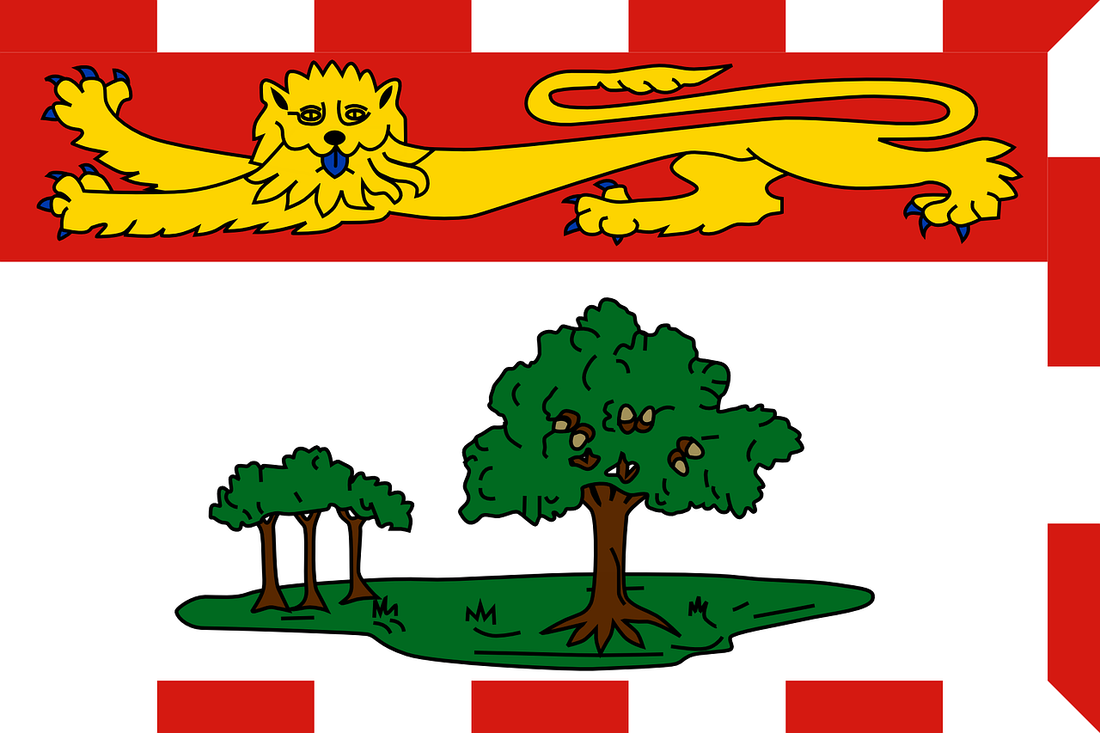
The golden lion on the province’s flag is modelled after the coat of arms of Prince Edward, the island’s namesake. The lower half of the flag shows one large oak tree and three saplings, representing England and the three counties of P.E.I. respectively. |
